
Gotong Royong in Balinese Culture: The Inspiring Spirit of Menyama Braya
Bali, an island known for its natural beauty, rich traditions, and diverse culture, embodies a spirit that has become intertwined with the daily lives of its people: gotong royong. This concept not only forms part of the culture but also reflects local wisdom values that uphold togetherness, mutual assistance, and solidarity among community members. In this article, we will explore the meaning of gotong royong in the context of Balinese culture and how the spirit of menyama braya can inspire us all.
Related Posts:
What is Gotong Royong?
Gotong royong is a term derived from the Indonesian language meaning to work together. In the Balinese context, gotong royong encompasses more than just cooperation. It embodies a sense of solidarity and caring among citizens in the community. In Bali, gotong royong is often visible in various activities, such as religious ceremonies, community infrastructure development, or daily activities.
The Meaning of Gotong Royong in Balinese Tradition
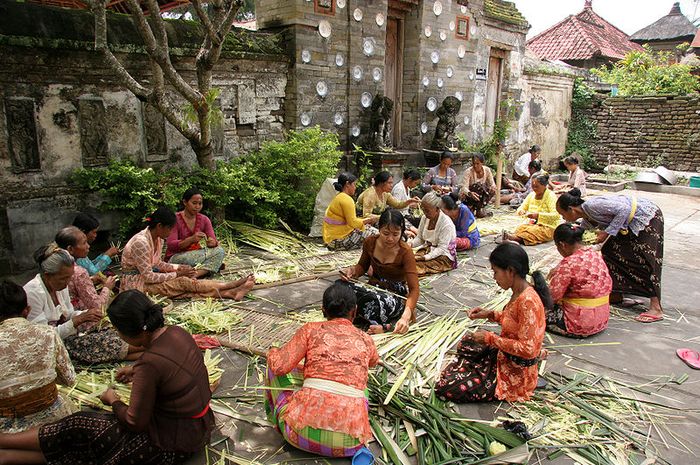
In Bali, gotong royong is understood as an integral part of community life. In every communal activity, especially those related to traditional and religious ceremonies, the spirit of gotong royong is very palpable. For example, when there is an odalan ceremony at a temple, the entire community comes together to prepare everything, from making offerings to decorating the temple. All community members are involved to ensure that the ceremony proceeds smoothly. This is a clear example of the gotong royong spirit accompanied by a sense of ownership and responsibility.
Menyama Braya: Local Wisdom in Gotong Royong
Menyama braya is a very important concept in Balinese culture. This term refers to the sense of brotherhood and togetherness among humans, prioritizing interpersonal relationships as family. In the context of gotong royong, menyama braya acts as a binding agent that strengthens solidarity within the community. By practicing menyama braya, each person feels a responsibility for the welfare and happiness of others.
This sense of kinship makes it easier for Balinese communities to address various problems that arise in daily life. When a community member faces difficulties, for example, illness or the loss of a family member, the community comes together to provide moral and material support. This shows how deeply ingrained the values of gotong royong and menyama braya are in each individual.
The Role of Gotong Royong in Social Life
Building Collective Welfare
One of the positive impacts of gotong royong is the creation of collective welfare. In rural infrastructure development, for instance, residents mobilize their strength together to build roads, bridges, or places of worship without relying on assistance from outside. This not only accelerates the development process but also strengthens social bonds among residents. Thus, gotong royong helps reduce dependency on external parties and fosters community independence.
Preserving Traditions and Cultures
Another important value of gotong royong is its role in preserving and maintaining Balinese cultural traditions. Traditional ceremonies, which often require significant manpower and resources, are carried out collectively with the spirit of gotong royong. Through these activities, communities not only uphold traditions but also transfer cultural values from generation to generation.
Fostering Tolerance and Harmony
In Bali, which consists of various ethnic groups and religions, gotong royong plays a vital role in creating harmony. By involving all parties in social activities, communities can foster communication and mutual understanding. This nurtures a sense of tolerance and resolves differences amicably.
Challenges in the Modern Era
Although the spirit of gotong royong and menyama braya is strong in Balinese society, the modern era presents its own challenges. Urbanization and modernization often lead individuals to prioritize personal interests over collective interests. This can decrease community participation in gotong royong activities.
However, by raising awareness about the importance of togetherness and solidarity, it is hoped that the younger generation in Bali can preserve these values. Good education and outreach about the meaning of gotong royong in daily life can help instill this spirit within them.
Conclusion
Gotong royong in Balinese culture is a reflection of the inspiring spirit of menyama braya. Through collaboration, solidarity, and a sense of brotherhood, the Balinese community has demonstrated how they can overcome challenges together. In an increasingly modern and individualistic world, these values become ever more crucial to maintaining harmony and social well-being.
Therefore, it is essential for all of us to draw inspiration from this Balinese culture and apply it in our daily lives. With the spirit of gotong royong, we can build a stronger and more harmonious society, where each individual feels valued and has a role in advancing the community. Let us revive this spirit of gotong royong in various aspects of our lives, to create a better world for future generations.
Related Posts:
Exploring Ancestral Heritage: The Art and Philosophy of Balinese Carving |Title: The Melukat Tradition: Self-Purification Ritual in the Island of the Gods | The Meaning Behind Ogoh-Ogoh: A Unique Tradition Welcoming Nyepi Day |448 292 Budaya bali
Video

0 Comments