
The Future of Balinese Agriculture: Modern Technology and Tradition Preservation
Agriculture is a vital sector for Bali, not only as an economic driver but also as a preserver of culture and tradition. In recent years, with rapid technological development, agriculture in Bali faces new challenges and opportunities. This article will explore the future of Balinese agriculture with a focus on the implementation of innovative modern technology and the preservation of traditions that have become integral to Balinese culture.
Related Posts:
1. Introduction to Balinese Agriculture
Bali is known for its unique agricultural system, particularly its traditional irrigation management system called "subak." Subak is an irrigation system that has existed since the 9th century and is an important part of the Balinese philosophy of life. However, with a growing population and increasing demand for agricultural products, this system is under significant pressure.
1.1. Meeting Food Needs
Agriculture in Bali aims not only to meet local needs but also to contribute to tourism, which is a primary source of income. Commodities such as rice, vegetables, and fruits are the main focus. However, challenges faced include climate change, natural disasters, and rapid urbanization.
2. Modern Technology in Agriculture
With technological advancements, the agricultural sector in Bali has begun to adopt various innovations to improve productivity and efficiency. Here are some technologies being implemented in Bali:
2.1. Precision Agriculture
Precision agriculture is an approach that allows farmers to monitor and manage crops more accurately using GPS devices and sensors. This technology assists in determining the right planting times, fertilizer use, and efficient irrigation systems, significantly reducing resource consumption.
2.2. Use of Drones
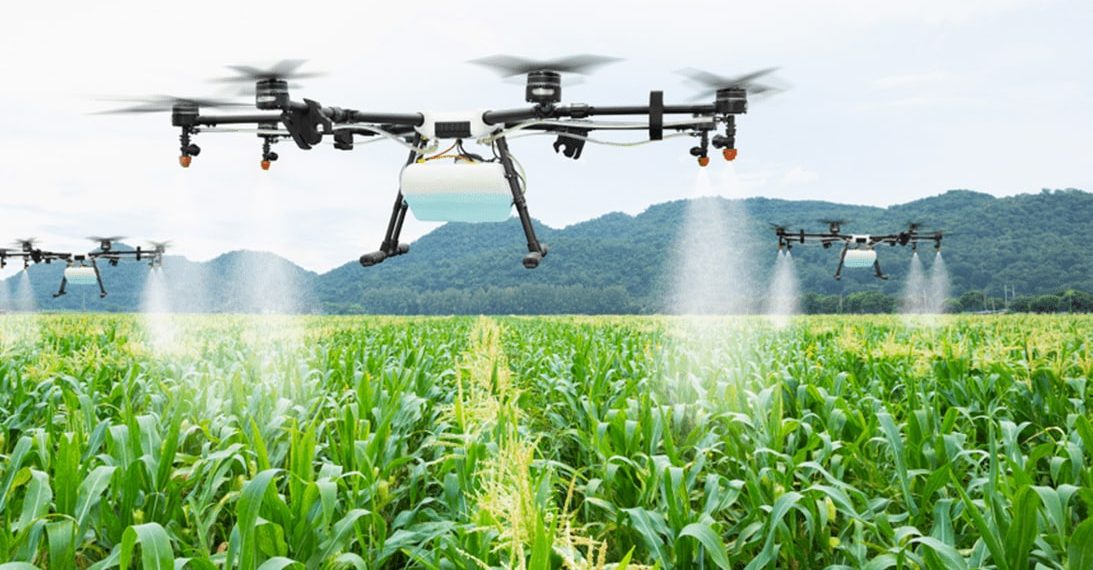
Drones are now utilized in monitoring agricultural land. With this technology, farmers can identify issues such as pests and diseases earlier, allowing preventive measures to be taken before damage spreads. Additionally, drones are used for mapping agricultural areas, providing accurate data for better planning.
2.3. Sustainable Agriculture
Sustainable agricultural techniques are becoming increasingly popular in Bali, encompassing organic practices, integrated pest management (IPM), and agroforestry. With a growing awareness of health and the environment, farmers are transitioning to these methods to create agricultural systems that are not only productive but also environmentally friendly.
2.4. Digital Agriculture Applications
Information technology-based applications now help farmers access market information, climate data, and cultivation techniques. Through smartphones, farmers can connect with broader markets, facilitating the sale of their products and increasing their income.
3. Tradition Preservation in Agriculture
Despite the many benefits offered by modern technology, it is important to maintain the traditional values that have been present in Balinese society. Here are some ways to preserve traditions in agriculture:
3.1. Preserving the Subak System
The subak system functions not only as a method of irrigation but also as a manifestation of the social and spiritual values of Balinese society. Efforts to preserve this system through education and collaboration between government, communities, and NGOs are essential to ensure the continuity of this tradition.
3.2. Maintaining Biodiversity
Bali is home to many unique local plant varieties. Preserving these varieties is vital, not only for biodiversity but also for cultural identity. Conservation programs and campaigns to raise awareness about the importance of local plants can help maintain Balinese agricultural heritage.
3.3. Education and Training
Education plays a key role in the preservation of agricultural traditions. Through training programs, younger generations can learn about traditional agricultural practices while becoming familiar with modern technology. Such initiatives can help create a balance between innovation and cultural heritage.
4. Synergy Between Modern Technology and Tradition
The success of the future of Balinese agriculture will depend on the synergy between modern technology and the preservation of tradition. Collaboration among farmers, government, and research institutions is crucial for creating sustainable agricultural models. With proper support and understanding, these two aspects can complement and strengthen each other.
4.1. Examples of Tradition-Based Innovations
One example of innovation that combines modern technology and tradition is the use of traditional agricultural tools modified with modern technology. For instance, machine-driven weeding tools can be combined with traditional planting methods, thus enhancing efficiency without neglecting local wisdom.
5. Conclusion
The future of Balinese agriculture is promising with the adoption of innovative modern technology while still preserving and respecting existing traditions. By leveraging the advantages of both aspects, Balinese farmers can enhance productivity and sustainability in the agricultural sector. This will not only advance the local economy but also preserve the cultural identity of the Balinese people.
As a way forward, it is important for all parties to collaborate in creating holistic, sustainable, and inclusive strategies for better Balinese agriculture. Through this synergy, the challenges faced can be addressed, ensuring that Balinese agriculture remains a backbone of the economy and culture in the future.
Related Posts:
The Role of Migrants in the Economic and Social Growth of Bali |Souvenirs Unique to Bali That Will Always Remind You of the Island of the Gods |The Agricultural Potential of Bali: Preserving Local Wisdom Amidst Modernization |1117 579 Business
Video

0 Comments